

Summary
Impact
Context
Challenge
Approach
Solution
Outcomes
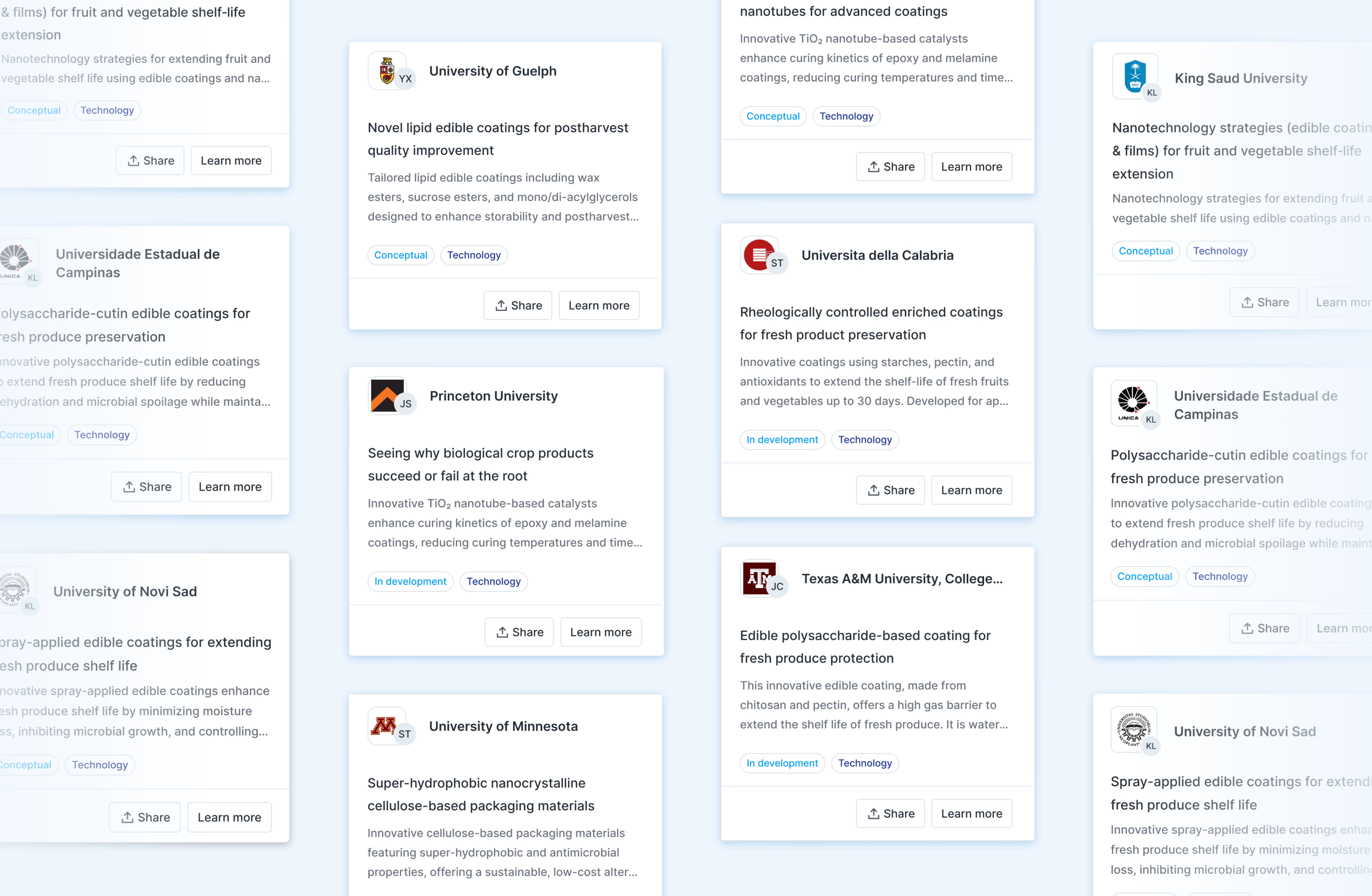
I designed Partnering Listings, Halo's self-serve way for researchers to publish commercial-ready IP in about three minutes. The model became the structured foundation for Discover matchmaking, seeded 3,600+ proprietary listings through automated conversion, and eventually became a paid premium tier.
Industry can't tell what a researcher is working on now, so real opportunities stay hidden, and the usual paths, slow RFPs and cold outreach, are a grind for both sides. The deeper problem was Halo's own: without structured supply, Discover couldn't reliably match demand to the right innovators. Listings were the supply layer the marketplace was missing.
Self-serve listings a researcher can publish in about three minutes, straight from their profile. On the other side, industry sponsors get a proprietary view of what researchers are ready to partner on right now, with structured signals they can't find elsewhere, inside the platform it already uses.
I led product design end to end, from research and PRD through UI/UX flows and prototype testing. I reported to the head of product and presented the final options to stakeholders, who made the call. Listings shipped 0→1, added 3,600+ proprietary opportunities, became the structured backbone of Discover matchmaking, and grew into a paid premium tier.
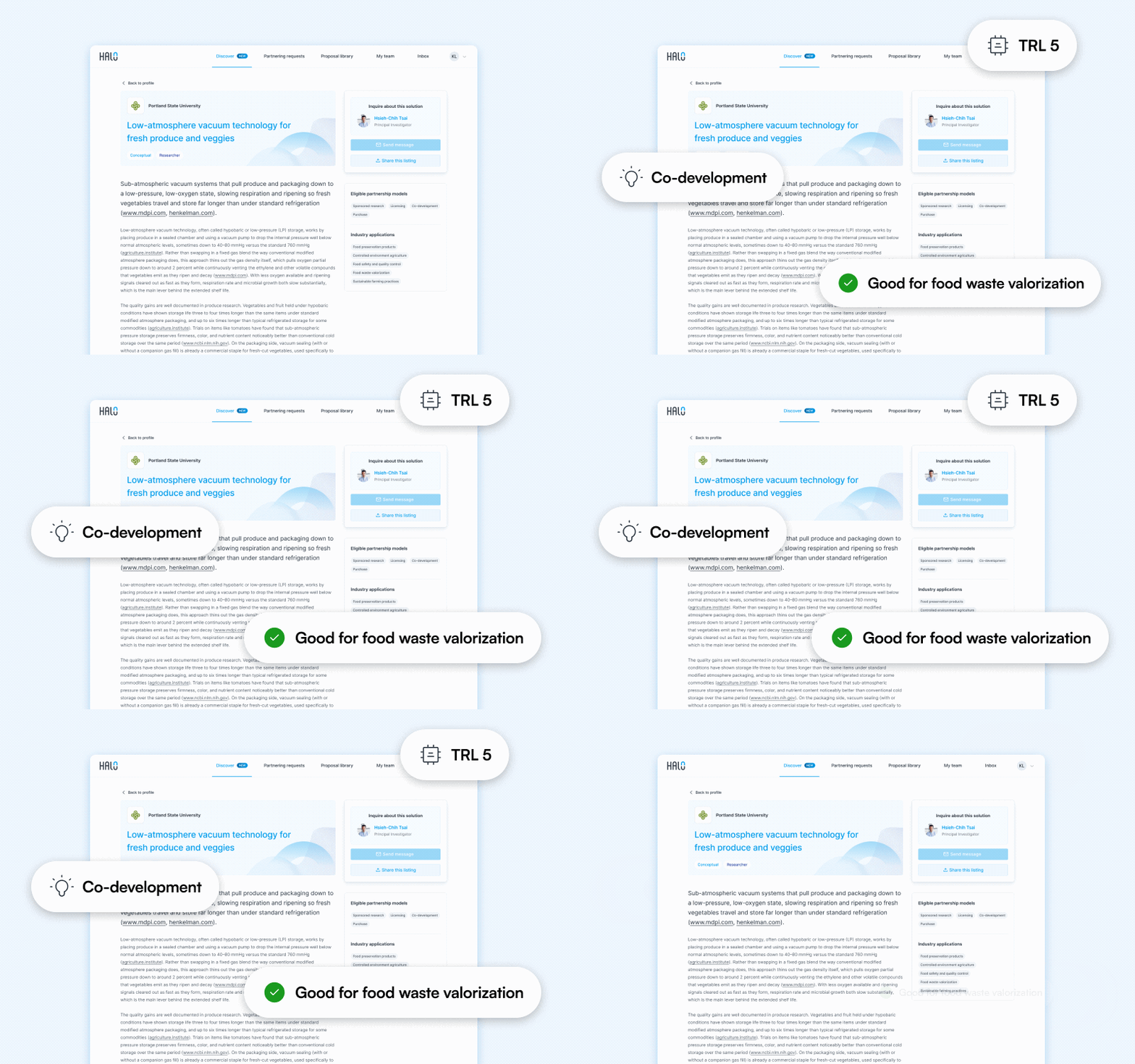
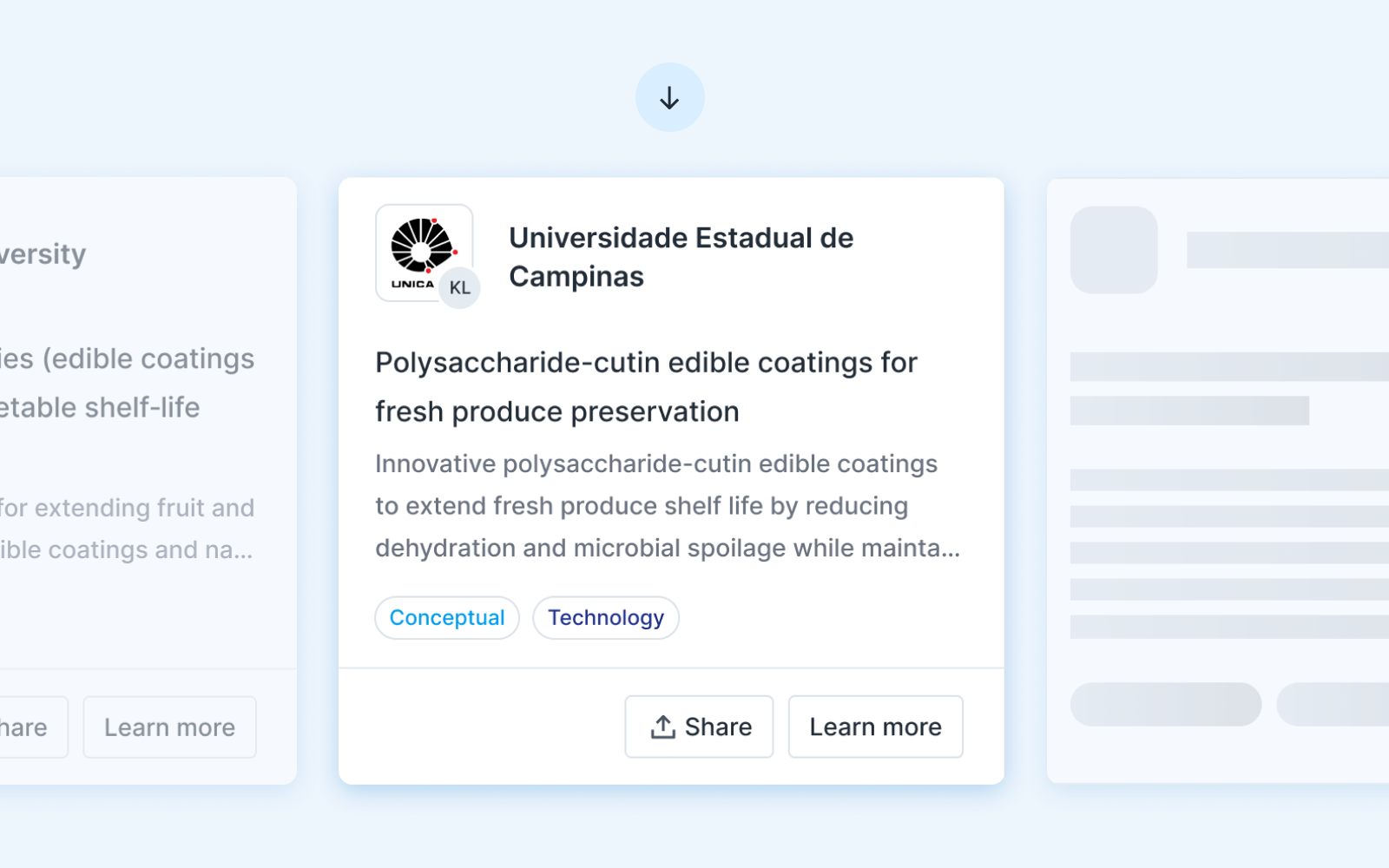
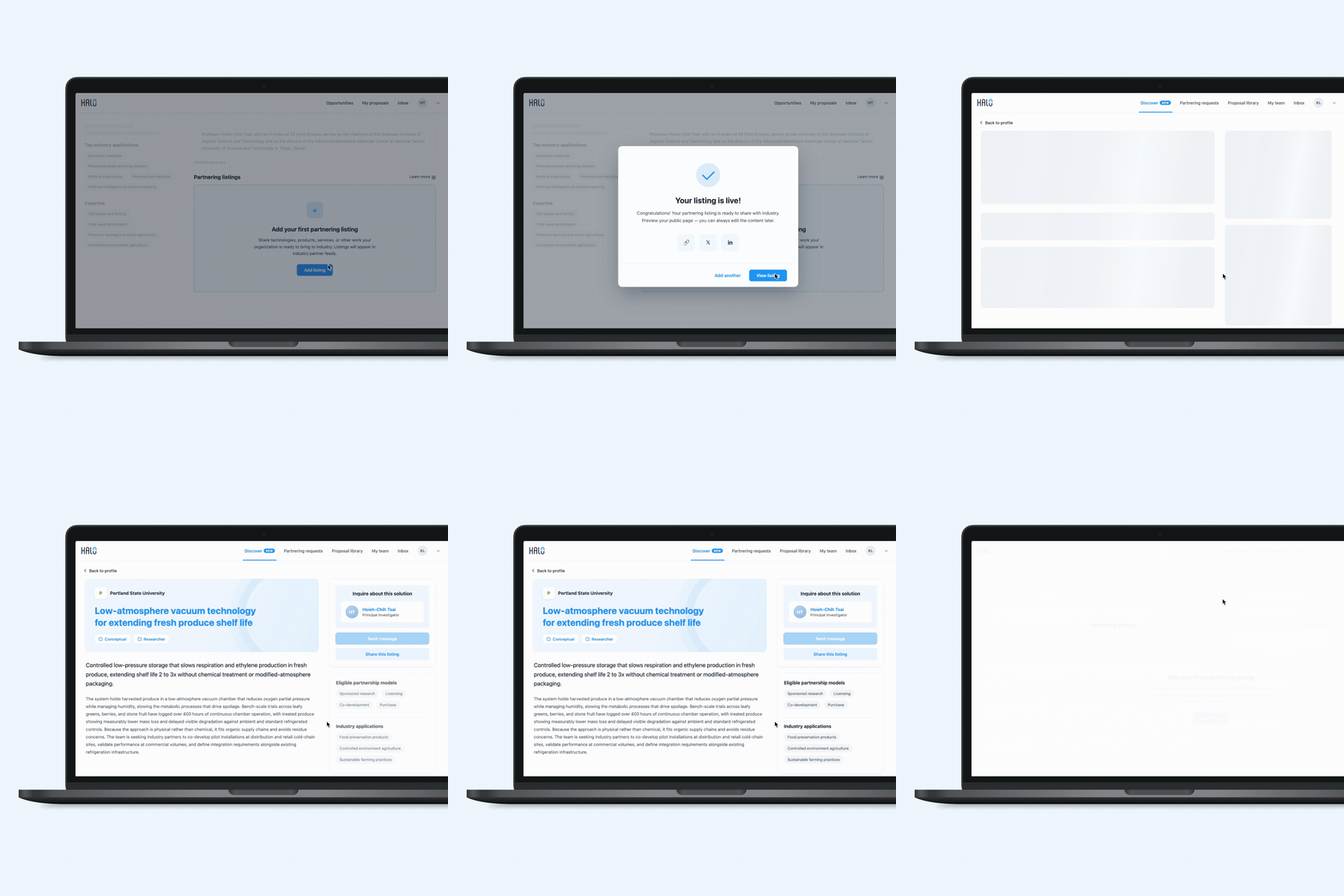
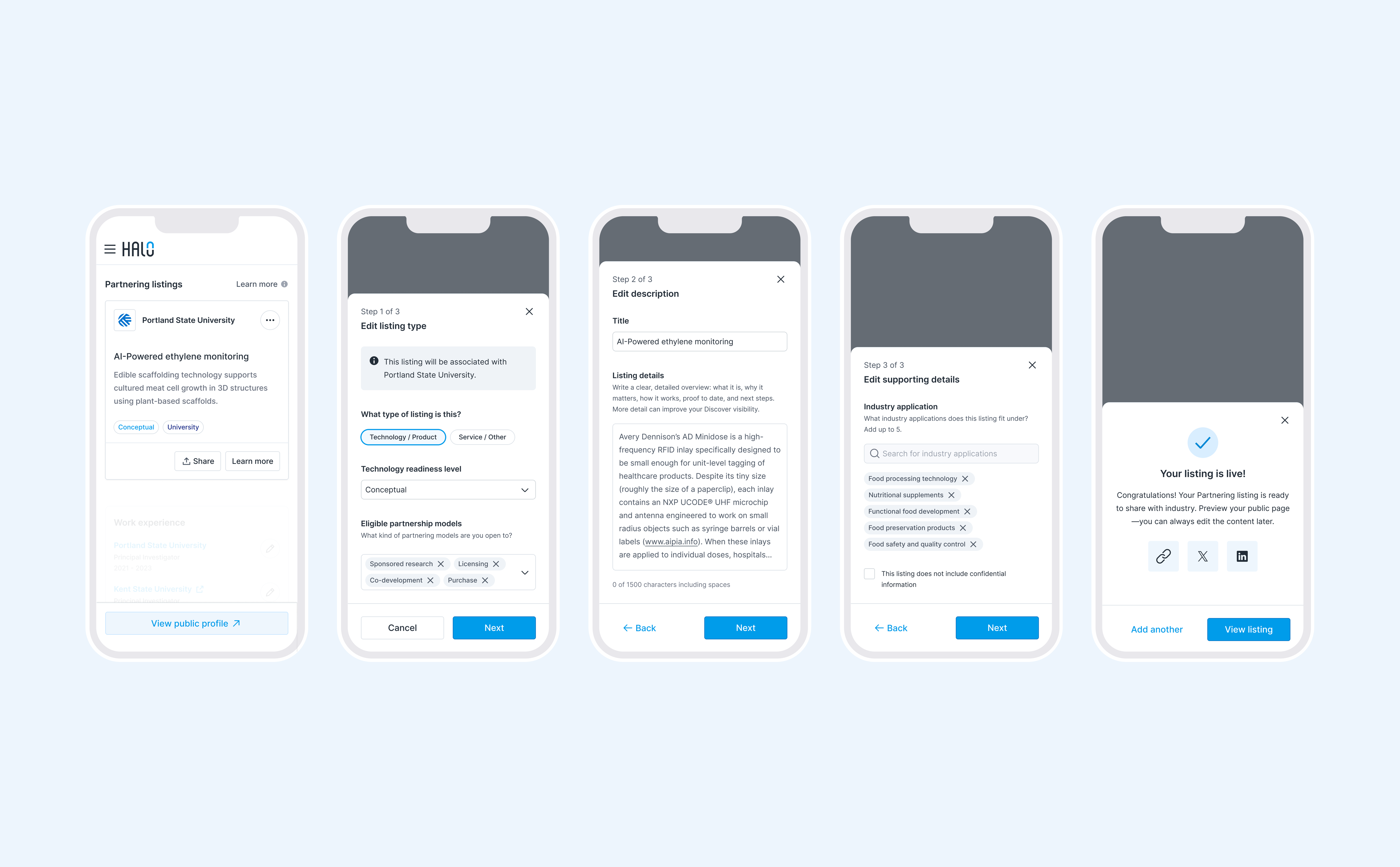
The full walkthrough, from the marketplace problem to the product model, the tradeoff that shaped it, and what that model unlocked.
Scientific accuracy is non-negotiable.
Ownership can span institutions, organizations, and principal investigators.
Publish in minutes, while protecting confidential IP.
.svg)



A listing isn't a brochure, it's a structured signal for matchmaking. The hard part was a tension: it had to be open-ended enough to hold anything a researcher offers, a product, a method, a service, while still capturing enough structure for the feed to match on.
Too rigid and most of the supply wouldn't fit, too loose and Discover couldn't match. We also simplified ownership, so the organization owns the page and the principal investigator is the contact.
More information makes a listing more useful; more effort makes it less likely to get created. That tension set the three-minute goal. Three-step self-serve creation, straight from a researcher's profile, became the minimum viable behavior.
We chose manual researcher input over AI-generated content for the MVP. AI generation was the ambitious path, but for a scientific audience an inaccurate listing costs more than a slow one, so automation was deferred until the behavior was proven.


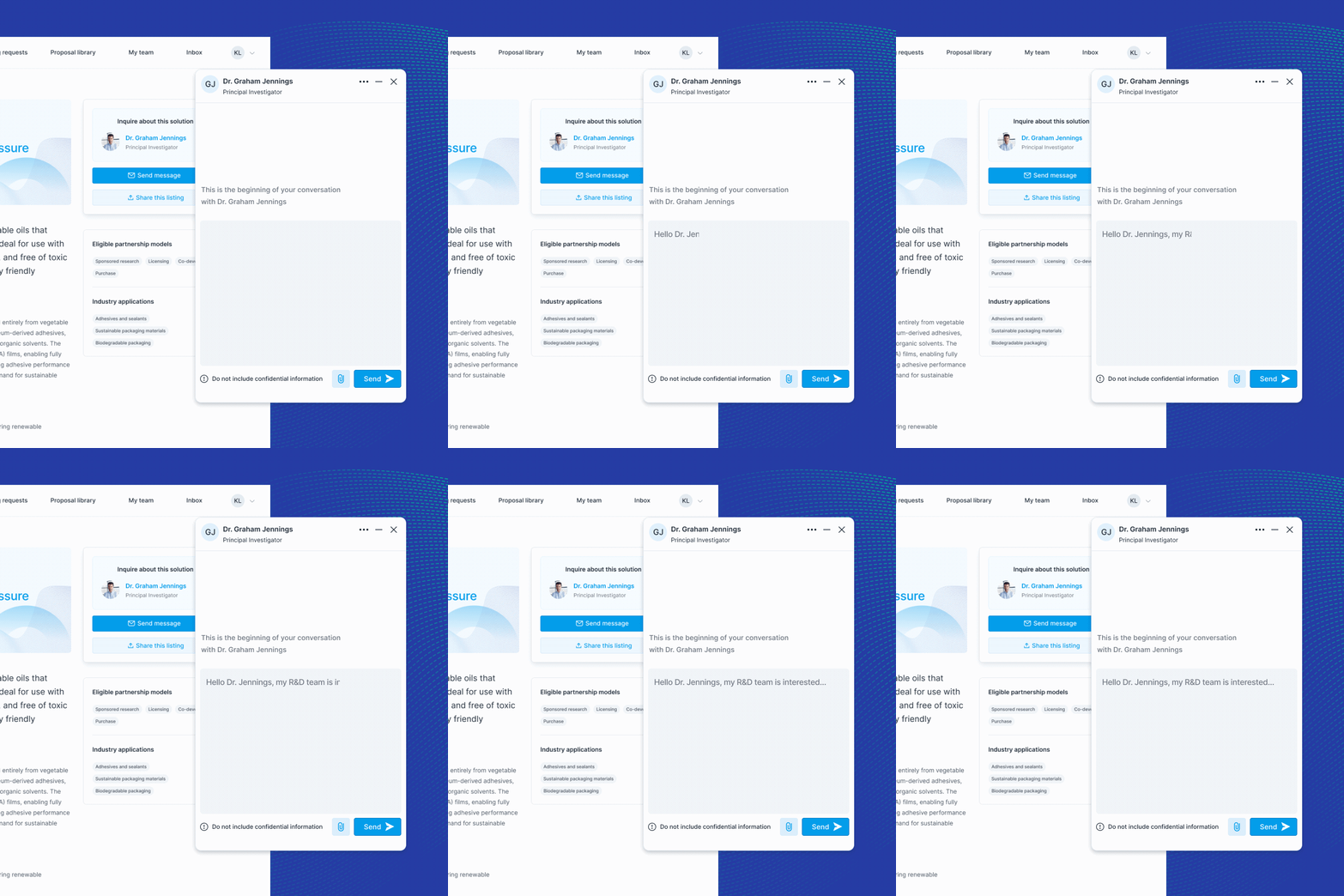
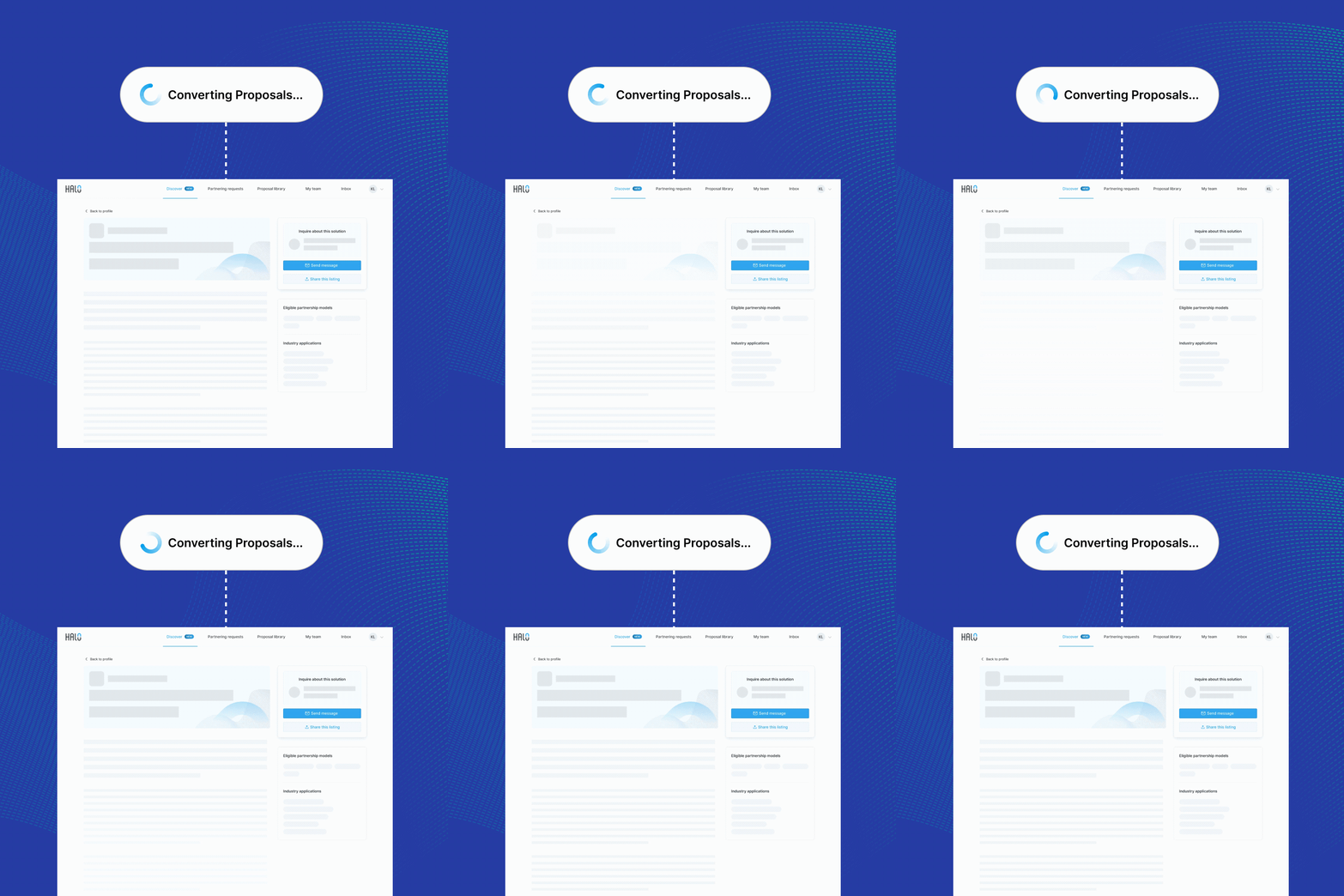
The model did more than launch. It became supply the whole marketplace runs on, and the value compounded from there.
Converting existing proposals produced 3,600+ opportunities that weren't available elsewhere.
Those structured signals became what Discover matches on. Because the supply is proprietary and on-network, it surfaces novel technologies a competitor's public tools can't, an edge that matters in R&D.
Richer content and featured placement gave innovators a way to stand out, and institutions pay for it.
Listings shifted Halo's roadmap toward expanding supply: facilities and lab listings, and admin-assisted creation.